SPATIAL INSTALLATION DOCTRINE
Architectural Embedding of Frequency Perception Infrastructure
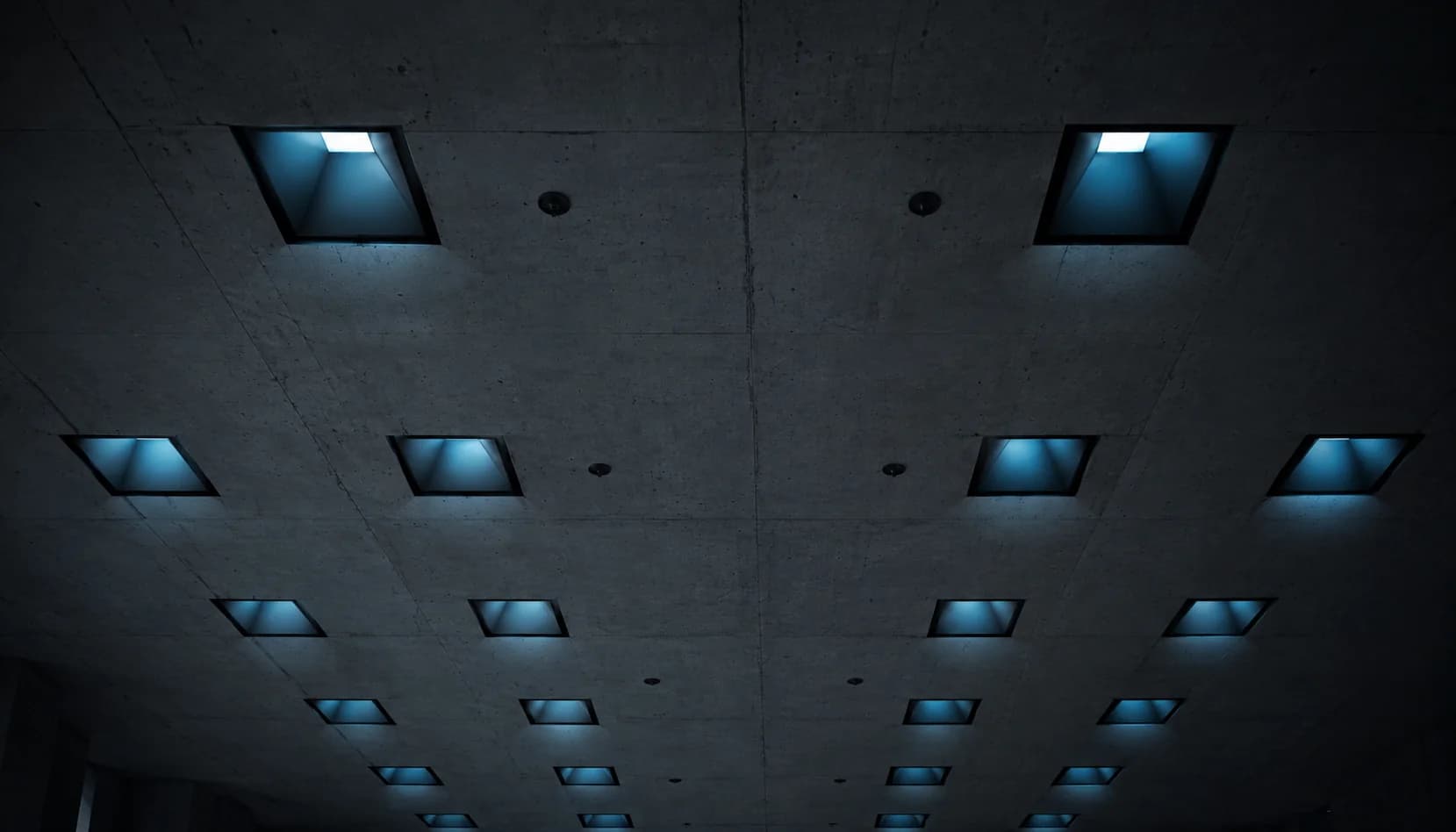
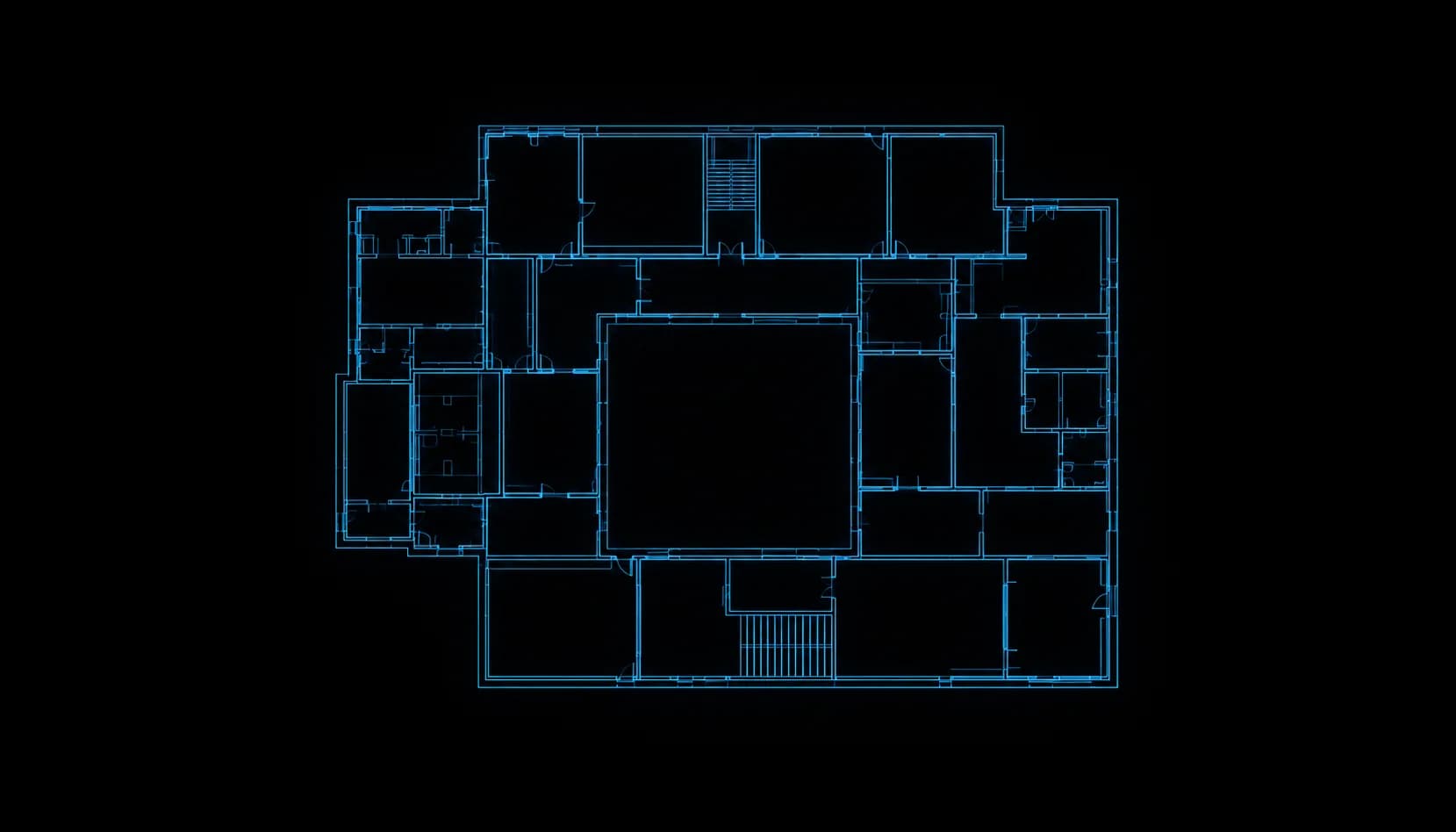
The INPSN detection architecture is deployed through a spatial installation doctrine built to integrate into existing and newly constructed environments without structural disruption, visual impairment, or operational intrusion. The objective of deployment is not merely the placement of hardware nodes, but the establishment of a continuous volumetric perception envelope aligned with building geometry and legal spatial survey boundaries.
Installation positioning is derived from three governing principles:
- Frequency Geometry Viability
- Architectural Non-Disruption
- Vertical Continuity Stabilization
Installation Positioning Doctrine
UWB Anchor Nodes are positioned in precision-calculated spatial locations across:
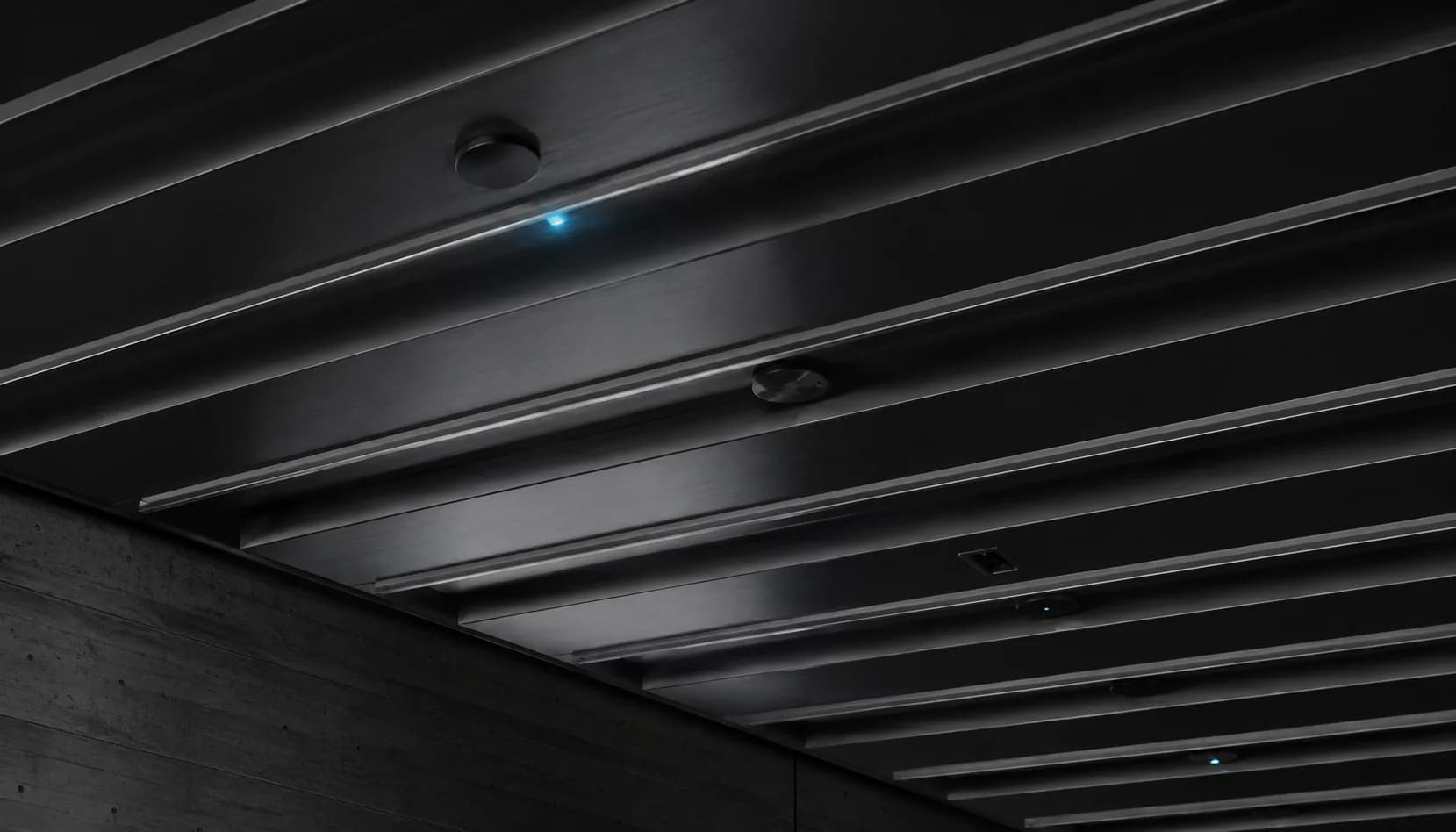
- Ceiling spans within interior open-volume spaces
- Perimeter structural boundaries of corridors and halls
- Vertical transition corridors such as stairwells, escalator shafts, and lift approaches
- Multiple elevation layers across floor decks in stacked environments
- Exterior transition and approach zones linking open perimeters with building ingress vectors
Unlike optical camera placement, which must “see” line-of-sight, INPSN anchor placement is governed by spatial occlusion interaction modelling, enabling volumetric perception of motion without visual capture.
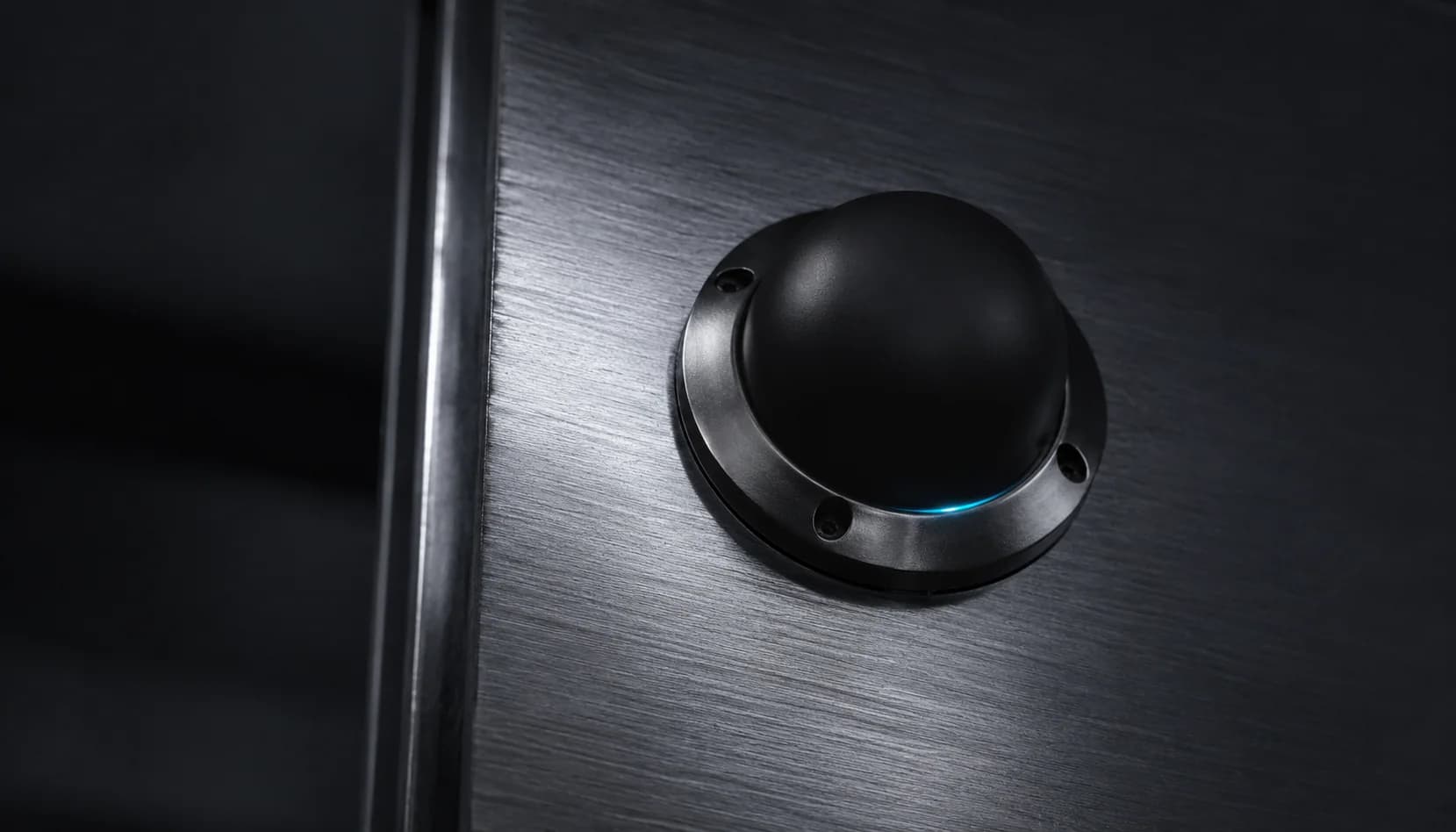
This allows anchors to remain: Discreet, Flush-mounted, Hidden above ceiling systems, Integrated with architectural features. No direct line-of-sight configuration is required for operation.
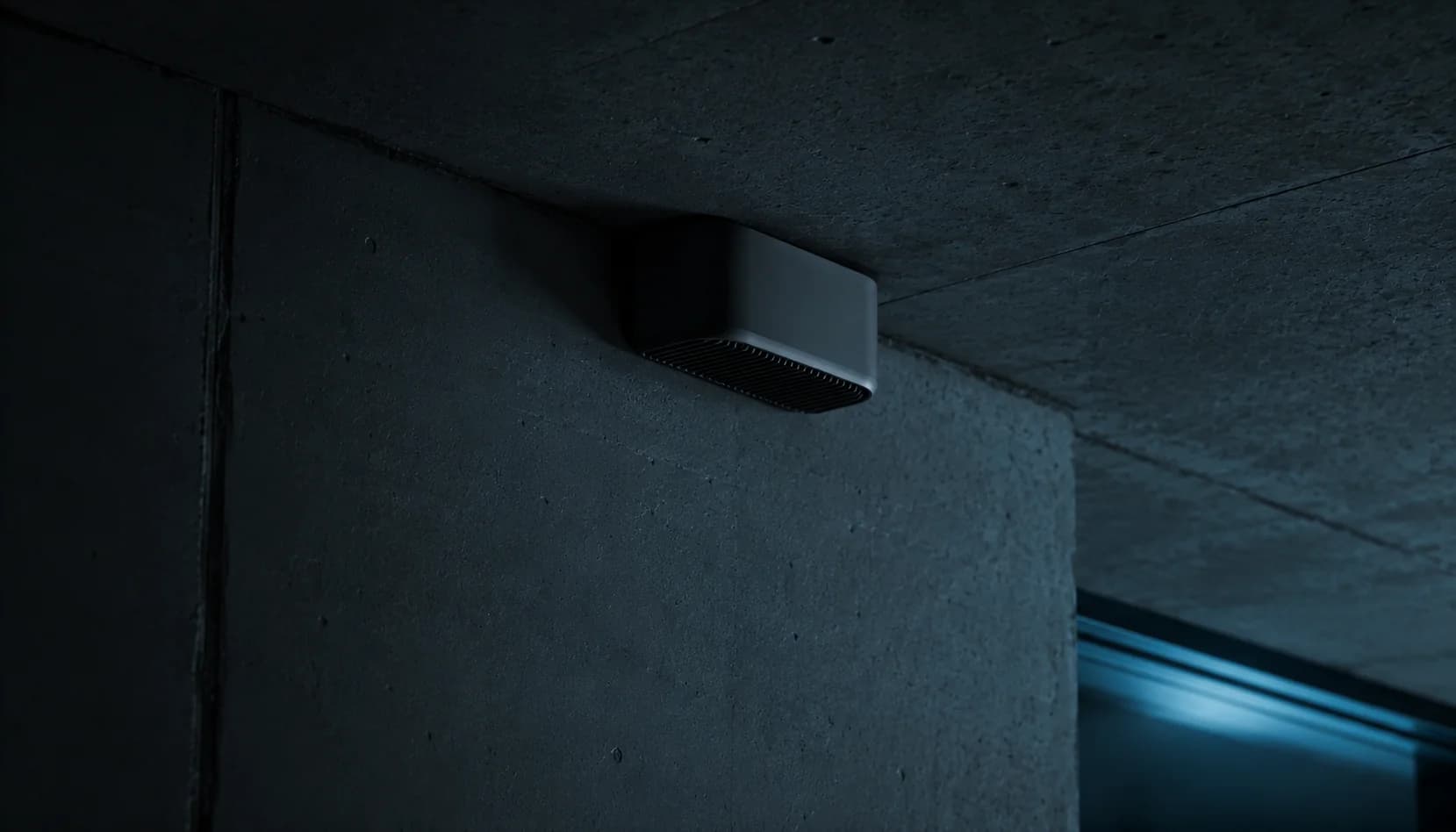
Structural Integration & Non-Invasive Mounting
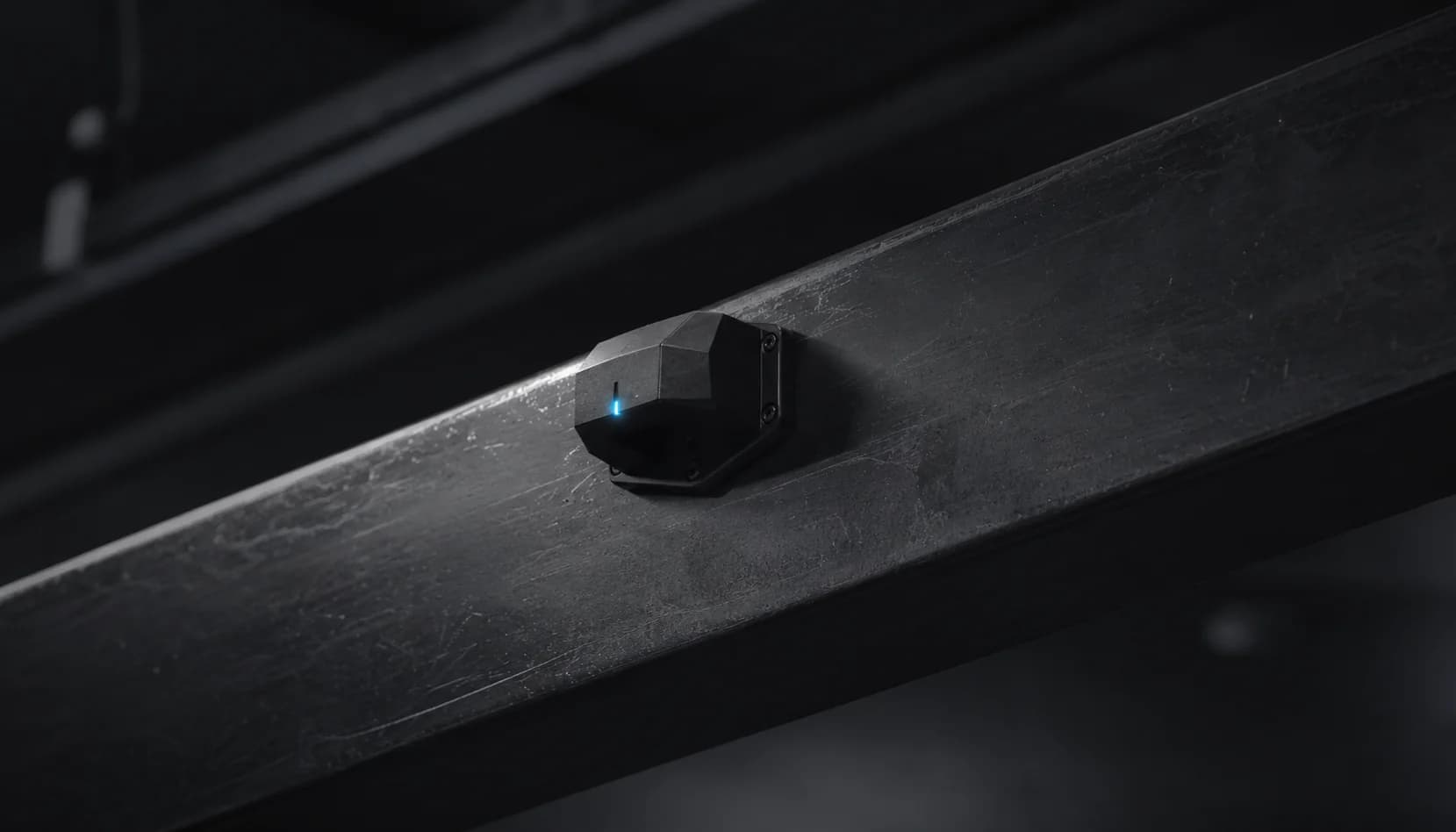
INPSN anchors deploy via non-invasive architectural fixation methods:
- Mechanical micro-mount brackets compatible with standard safety supports
- Magnetic or non-permanent fixture systems where structural design permits
- Reversible installation protocols ensuring complete restoration capability
Importantly:
- No demolition or permanent structural alteration is required
- No core drilling, wall channeling, or invasive civil works are needed beyond safety-certified mount points
- Existing interior surfaces are preserved without functional or aesthetic modification
INPSN installations therefore remain compliant with:
- Heritage building preservation standards
- Commercial interior build-out codes
- Government facility safety regulations
Vertical Integration & Multi-Floor Stabilization
To maintain accurate perception across complex structures, INPSN establishes a layered detection lattice operating as synchronized horizontal grid tiers across each building level.
Vertical integration is ensured through:
- Floor-isolated spatial layers preventing cross-floor signal bleed-through
- Calibration differentials across Z-axis planes to maintain altitude separation of motion geometry
- Vertical transfer corridor mapping enabling continuity as individuals pass via lifts, staircases, mezzanines, or escalator systems
This methodology prevents positional ambiguity between lower-floor occupants, elevated traversing personnel, and stacked crowd dynamics, ensuring that each detected spatial motion is consistently reconstructed at its correct elevation plane within the digital twin.
Architectural Material Adaptation
INPSN anchors operate within highly variable RF-material environments that often include:
- Structural steel frameworks
- Laminated and reinforced glass partitions
- High-density concrete assemblies
- Metallic mechanical infrastructure
- Mixed-material open atrium installations
Adaptive installation doctrine accommodates these conditions by:
- Establishing overlapping coverage lattice zones in attenuation-heavy environments
- Utilizing dynamic propagation modeling to stabilize perception despite reflection, diffraction, or RF absorption surfaces
- Maintaining grid continuity across reflective or partially opaque material layers
This prevents perception dead zones, spatial shadowing effects, and geometry dampening distortion, while preserving continuous motion reconstruction integrity.
Power Stabilization & Operational Resilience
All anchor installations utilize low-voltage stabilized power frameworks, integrated either into:
- Designated safety circuit conduits
- Approved hybrid power distribution nodes
The power doctrine ensures:
- Buffer continuity during voltage fluctuations
- Seamless mesh survival under partial site power instability
- Uninterrupted perception envelope during local circuit faults
Grid resilience mechanisms prevent single-point operational degradation, any localized anchor shutdown is automatically compensated by adjacent lattice nodes maintaining coverage continuity.
Spatial Integration at Scale
INPSN installations function seamlessly across complex estate geometries, including:
- Single-building deployments
- Multi-structure campuses
- Vertical city developments
- Transportation terminals
- Large outdoor perimeter estates
Independent anchor clusters are synchronized into a unified frequency mesh domain, forming a single continuous spatial intelligence fabric regardless of geographic segmentation, altitude variance, or zone heterogeneity.
The system therefore scales horizontally across land area and vertically across architectural elevation without perceptual fragmentation.
NDA-Protected Installation Variables
To preserve operational security and prevent infrastructure modeling attacks, the following parameters are intentionally withheld from public doctrine and restricted to NDA-only engineering disclosures:
- Exact anchor frequency operating bands
- Precise anchor density ratios per floor or land area
- Power draw thresholds and duty cycle metrics
- Calibration offsets across Z-axis tiers
- Lattice spacing intervals
- Propagation tuning values for reflective environments
- Vertical handoff algorithms between lattice planes
This controlled withholding is essential to prevent reverse engineering or hostile exploitation of spatial perception methods while maintaining public transparency of architectural integration doctrine.
This page describes system doctrine, operational intent, and safety governance. Technical parameters, implementation details, and operational thresholds are restricted and disclosed only under contractual NDA.